

Profile
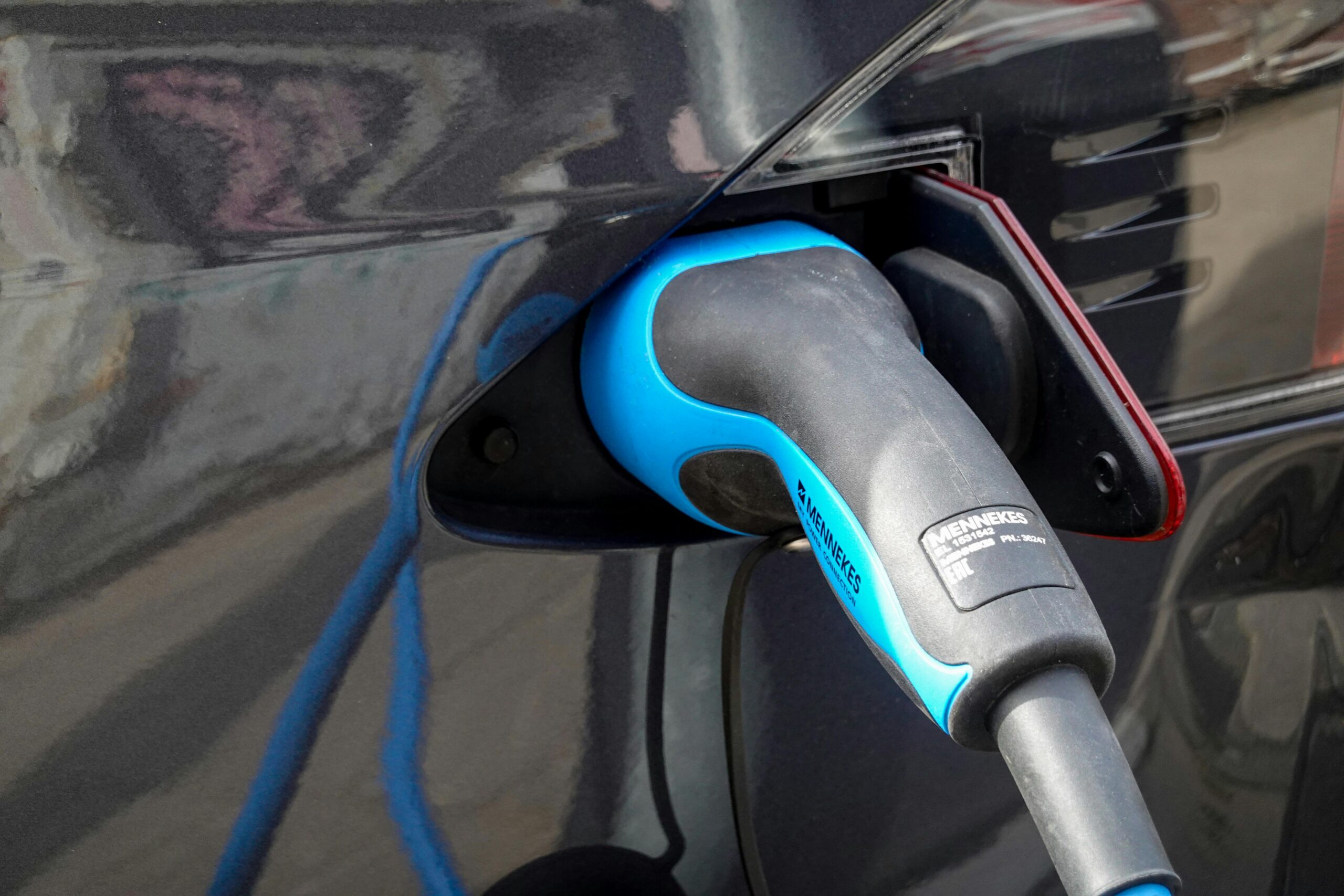
Electric Charging Station Big Sur CA US
The Electric Charging Station located at 48123 Highway 1 in Big Sur, CA, provides essential electric vehicle (EV) charging services for travelers and residents in the area. This location is strategically situated along Highway 1, a major route through Big Sur, making it a convenient stop for EV drivers exploring the scenic coastal region. While the station itself is not explicitly detailed in terms of charger types or speeds, there are currently four EV charging stations within a 10-mile radius of the center of Big Sur (ZIP code 93920), offering travelers multiple options for recharging during their journey.
This network of charging points supports the growing demand for EV infrastructure in a region known for its natural beauty and increasing eco-conscious tourism. The proximity of multiple stations ensures flexibility for drivers, whether they need a quick top-up or a longer charging session. As Big Sur continues to attract visitors seeking sustainable travel experiences, these charging locations play a vital role in enhancing accessibility and convenience for EV users navigating the area.
Location Reviews
No user reviews are available for the electric charging stations in Big Sur, California. The provided content consists of factual data about the charging infrastructure in the area. Big Sur has 17 public charging station ports within 15 kilometers, with 53% being Level 2 stations and 47% Level 3 (fast-charging) stations. Approximately 53% of the ports (9 total) offer free charging, and Tesla is the primary network associated with these stations. Other popular locations include the Ventana Inn & Spa, Post Ranch Inn, and Esalen Institute, which feature Tesla-specific charging options.
The data highlights the distribution of charging port types and free availability but does not include user feedback or experiences. While the infrastructure appears to cater to electric vehicle (EV) owners with a mix of Level 2 and Level 3 stations, no specific positives or negatives from users are mentioned. The information is primarily statistical, focusing on the quantity and types of stations rather than qualitative assessments of their reliability, speed, or accessibility.